
Why Group Work Matters in Recovery
Because We Heal Faster When We Aren’t Doing It Alone
Addiction has this way of trying to convince us that isolation is the safest place to be. Don’t let anyone see you struggle. Don’t let them hear you think. Handle it yourself. Keep quiet. Keep moving. And for a while, that works, until it doesn’t.
There’s a point where trying to recover in silence becomes more exhausting than addiction itself. Not because we aren’t strong enough, but because recovery was never meant to be done in the dark. The moment we sit with other people, virtual or in-person, who are climbing the same mountain, something shifts. We start to understand differently. We absorb things more deeply. We learn faster because we stop learning alone.

We Learn Better Together: The Science Behind Group Work
Most of us think learning happens like a download—information in, wisdom out. But our brains don’t work like USB drives. We learn in layers: first by hearing, then by reflecting, then by speaking, then by doing. And we absorb the most when we’re learning in community. There’s something called The Learning Pyramid, which basically breaks it down like this:
We remember a little from listening
A bit more from reading or watching
A lot more when we talk through ideas with others
And we remember the most when we participate, engage, teach, and share
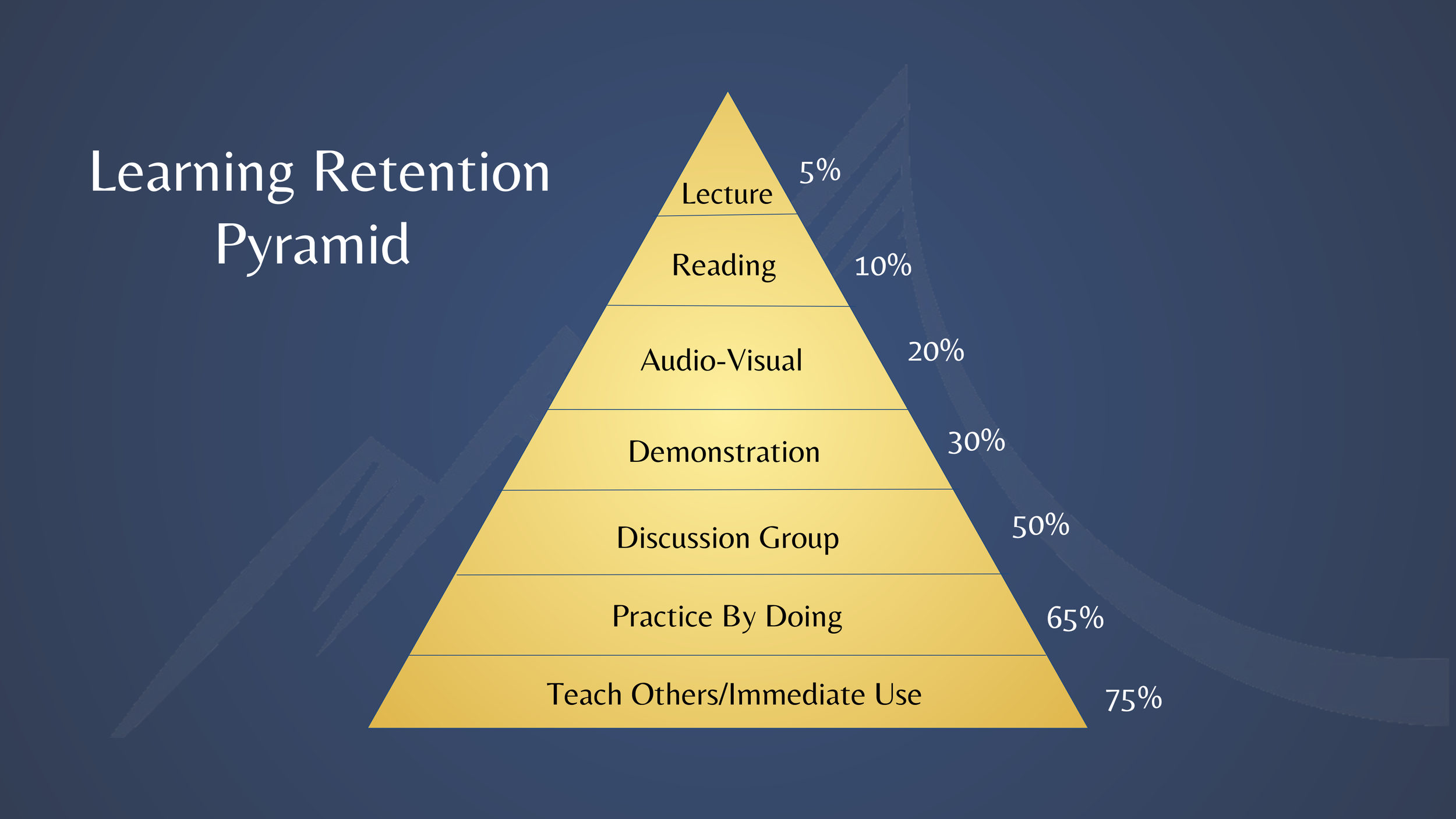
Recovery is no different. When someone in the room shares a story that sounds like something we swore we’d never say out loud, comprehension becomes felt, not just heard. We don’t just understand, we relate. We connect. We remember. This is the essence of group work.
Not a 12-Step Blog BUT We Should Acknowledge the Value There
Twelve-step programs didn’t grow into a global movement because the steps were perfect. They grew because people did them together. Humans heal in circles, thrive in community, and grow through witnessing each other’s transformation. You don’t have to be a 12-step person to benefit from group work. You just have to be human because what groups really offer is:
Belonging without needing to earn it
Accountability without being scolded
A place to speak without judgment
A chance to see yourself in others
A reminder that you are not abnormal and you are not alone
Group work turns recovery from a solo survival mission into something shared, witnessed, and supported.
The Emotional Core: Why Groups Change the Way We Cope
People often think recovery is about behaviour: “Stop using”, “Stop relapsing”, “Stop lying”, “Stop hiding.” However, emotions always lie beneath behaviours. We don’t drink or use because we love the substance. We do it because we’re overwhelmed by how we feel. In groups, we talk about behaviour, yes, but what we’re really talking about is how behaviour makes us feel.
Shame. Fear. Hope. Loss. Relief. Pride. Loneliness. Gratitude.
And when we sit in a room full of people expressing those emotions safely, something powerful happens: We co-regulate. We borrow emotional stability from others until we can create our own.
We watch how others cope and we learn how to cope ourselves. Healing happens in connection. Group work gives us a mirror for our own emotional world, and in that mirror we often see things we weren't able to notice alone.
The Benefits of Group Participation
Here’s what group work offers if we’re willing to step into it:
• Higher comprehension and retention:
Hearing it is good. Speaking it is better. Practicing it with others is transformative.
• Perspective we can’t find in our own heads:
Someone else’s breakthrough often becomes our roadmap.
• Community and belonging:
Addiction isolates. Groups reconnect.
• Motivation through visibility:
Watching others grow makes us believe we can too.
• Emotional skill-building in real time:
Co-regulation is one of the most underrated tools in recovery.
Group work helps us feel, think, learn, and evolve more effectively than we ever could in isolation.
The Hard Parts (And How to Navigate Them Gently)
Let’s be honest, not everyone walks into a group ready to spill, share, or even speak. Some of us sit in our cars for 20 minutes just trying to convince ourselves to walk through the door. So let’s name the challenges and offer real solutions:
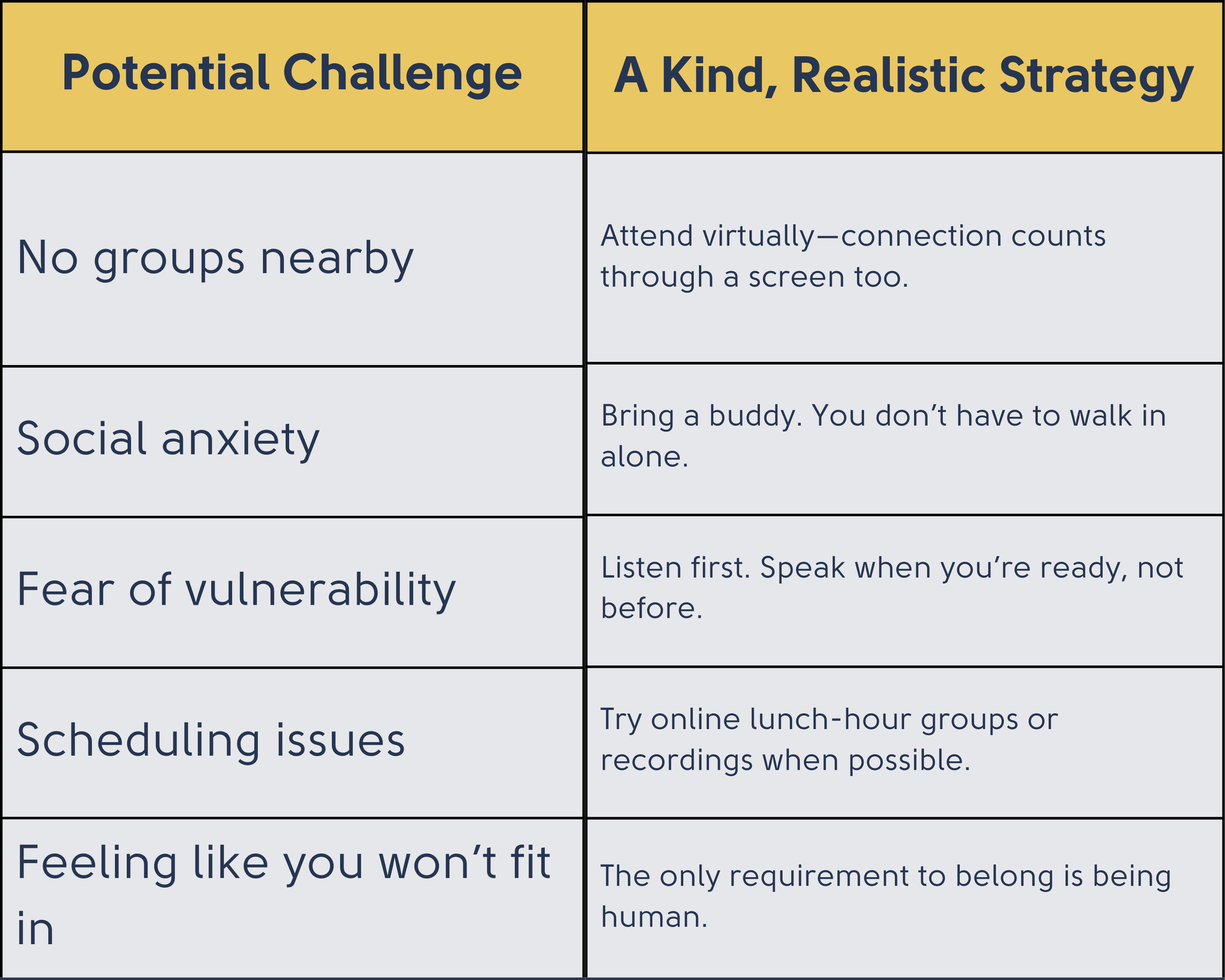
Groups don’t demand perfection.
They only ask for presence, whatever that looks like today.
Final Thoughts
Recovery isn’t about being strong enough to do this alone. It’s about being courageous enough not to. Sit in a group. Even once. You don’t have to speak. You don’t have to have your life figured out. You just have to show up. When people heal together, comprehension deepens, emotions regulate, and shame loses its grip. Group work isn’t just about recovery; it’s about connection, humanity, and remembering that we were never meant to live or heal in isolation. You don’t have to climb the mountain alone.