
Sitting in Recovery: Learning to Stay Present Without Escape
If addiction can be understood as a way of escaping perceived reality, then meditation offers something radically different. Rather than numbing, avoiding, or overriding our internal world, meditation invites us to sit with reality as it actually is: our thoughts, emotions, sensations, and experiences, moment by moment.
In this sense, meditation is not about calming the mind, achieving peace, or “doing it right.” It is about learning how to stay. To remain present with ourselves without immediately reaching for escape. Over time, this practice can gently reduce the urgency to flee discomfort and increase our capacity to respond rather than react.
This is the heart of Sitting in Recovery.
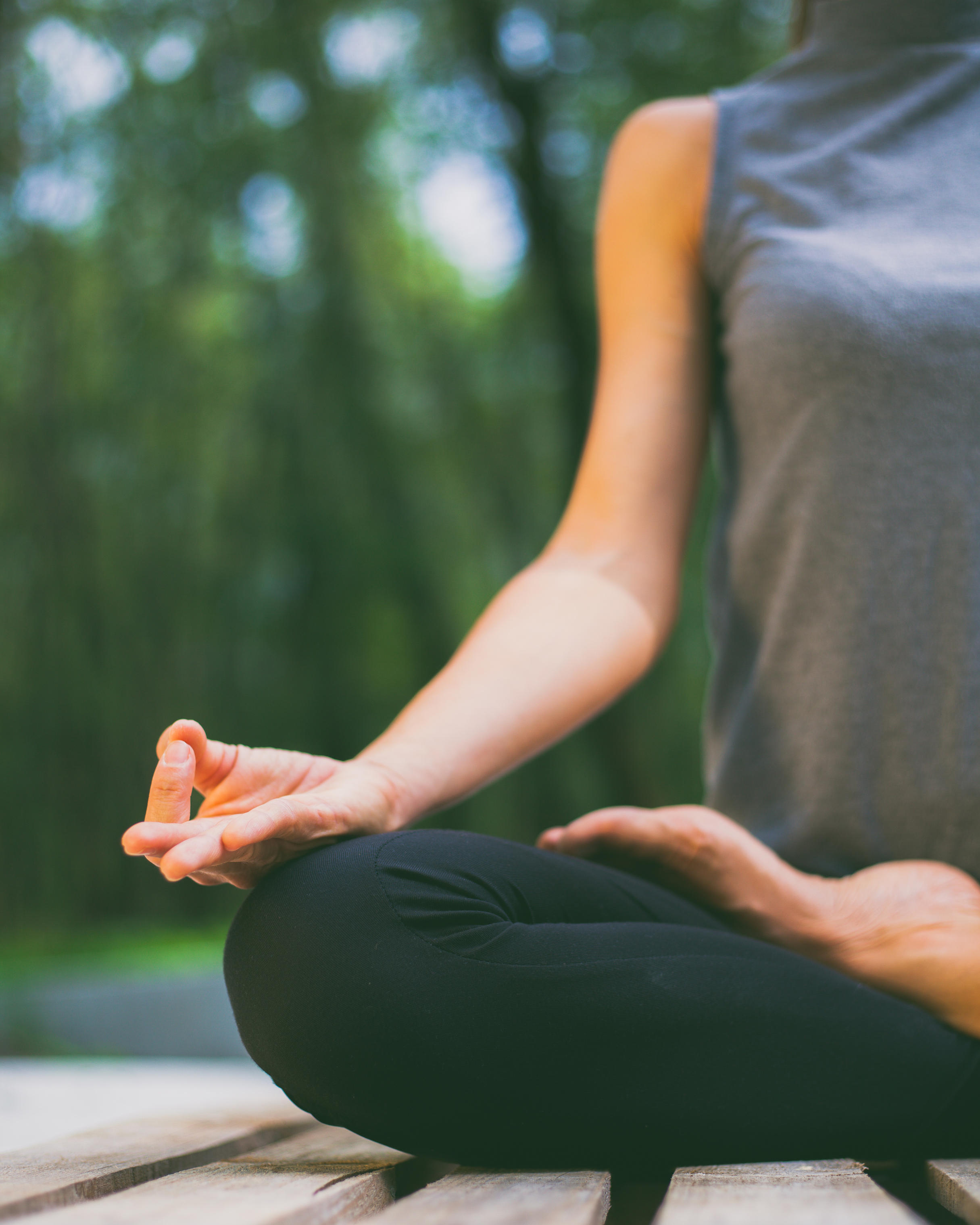
At EPIC Recovery, we are beginning weekly meditation practices as part of our broader commitment to recovery maintenance, emotional regulation, and quality of life. These sessions are not religious, not performance-based, and not about forcing stillness. They are about building a skill many people were never taught: how to be with what is real, without judgment or shame.
Why Meditation Matters in Addiction Recovery
Addiction does not develop in a vacuum. For many individuals, it emerges as a survival strategy: a way to cope with overwhelming emotions, unresolved pain, stress, trauma, or disconnection. Substances or compulsive behaviours often work, at least initially, because they create distance from internal experience.
Meditation works in the opposite direction.
Rather than escaping sensation and emotion, meditation helps individuals slowly reconnect with them, in tolerable and intentional ways. This reconnection matters because long-term recovery is not just about stopping a behaviour. It is about learning how to live inside one’s own mind and body without constant distress.
Research supports this shift. Studies on mindfulness-based interventions, including Mindfulness-Based Relapse Prevention (MBRP), have shown that regular meditation practice can reduce relapse rates, cravings, and emotional reactivity while improving stress tolerance and self-awareness. Neuroimaging studies suggest meditation may help strengthen areas of the brain involved in impulse control, emotional regulation, and decision-making, all of which are commonly impacted by addiction.
Importantly, meditation does not remove discomfort. It changes our relationship to it.
What “Sitting in Recovery” Actually Looks Like
Meditation is often misunderstood as emptying the mind or achieving a state of calm. In recovery spaces, this misconception can be especially discouraging for people who already feel restless, anxious, or self-critical.
Sitting in Recovery reframes meditation as a practice of honest presence.
In practice, this may include:
Sitting quietly and noticing thoughts without trying to fix or suppress them
Observing physical sensations in the body as they arise and pass
Becoming aware of emotional patterns without attaching meaning or blame
Gently returning attention to the breath, the body, or the present moment
There is no requirement to feel peaceful. Some sessions may feel grounding; others may feel uncomfortable or emotionally charged. All of this is normal and expected. The practice is not about the outcome. It is about building tolerance for reality as it unfolds.
Over time, many people notice that emotions feel less overwhelming, urges feel less urgent, and pauses between impulse and action become longer. These small shifts can have a meaningful impact on recovery stability.
Who Meditation Is (and Is Not) For
Meditation can be supportive for individuals at many stages of recovery, including those who are newly exploring change and those who have been stable for years. It can also be helpful for family members and supporters who are navigating stress, worry, and emotional exhaustion.
That said, meditation is not a replacement for counselling, medical care, or structured addiction treatment when those are needed. It is one tool among many. For individuals with a history of trauma, meditation should be approached gently and with appropriate support, as sitting quietly can sometimes bring difficult material to the surface.
At EPIC Recovery, our meditation offerings are facilitated with these realities in mind. Participation is always voluntary, and individuals are encouraged to listen to their own limits.
Why Someone Might Care, Even If They Are Skeptical
You do not need to believe in meditation for it to be useful. You do not need to be good at it and you do not need to enjoy it.
What matters is this: recovery requires learning how to stay present with life as it is, not as we wish it were. Meditation offers a structured, repeatable way to practice that skill.
For many people, it becomes a place where shame softens, urgency slows, and self-understanding grows. Over time, this can translate into fewer reactive choices, improved emotional regulation, and a stronger sense of agency.
Meditation does not promise escape. It offers something quieter and often more powerful: the ability to sit with reality and discover that it is survivable.
Weekly Meditation at EPIC Recovery
Our upcoming weekly meditation practices are designed to be accessible, supportive, and grounded in recovery-informed principles. Sessions will include brief teaching, guided practice, and space for reflection. No prior experience is required.
If you are curious, overwhelmed, skeptical, or simply tired of running from your own thoughts, you are welcome to join us. Sitting in recovery is not about doing more. It is about learning how to stay.
For session details and upcoming dates, visit our EVENTS page.
Facilitated by Sensei, Mike L, The Zendo of the London Zen Centre