
You can be glad to turn off the early alarm and still miss knowing what you’re getting up for. After months of putting most of your energy into work, a quieter week can take some getting used to. You might still pick up the occasional job. On the days you’re home, though, you may find yourself bored by mid-afternoon and too restless to enjoy the time off.
If you’re drinking or using substances earlier in the day or more often than you meant to, think about when you first want to use. It may be the hour when you’re used to wrapping up a job. It may be when you’re agitated and a small question at home gets under your skin. If using substances has become a familiar way to settle down, there may be more occasions to lean on it when work slows down.
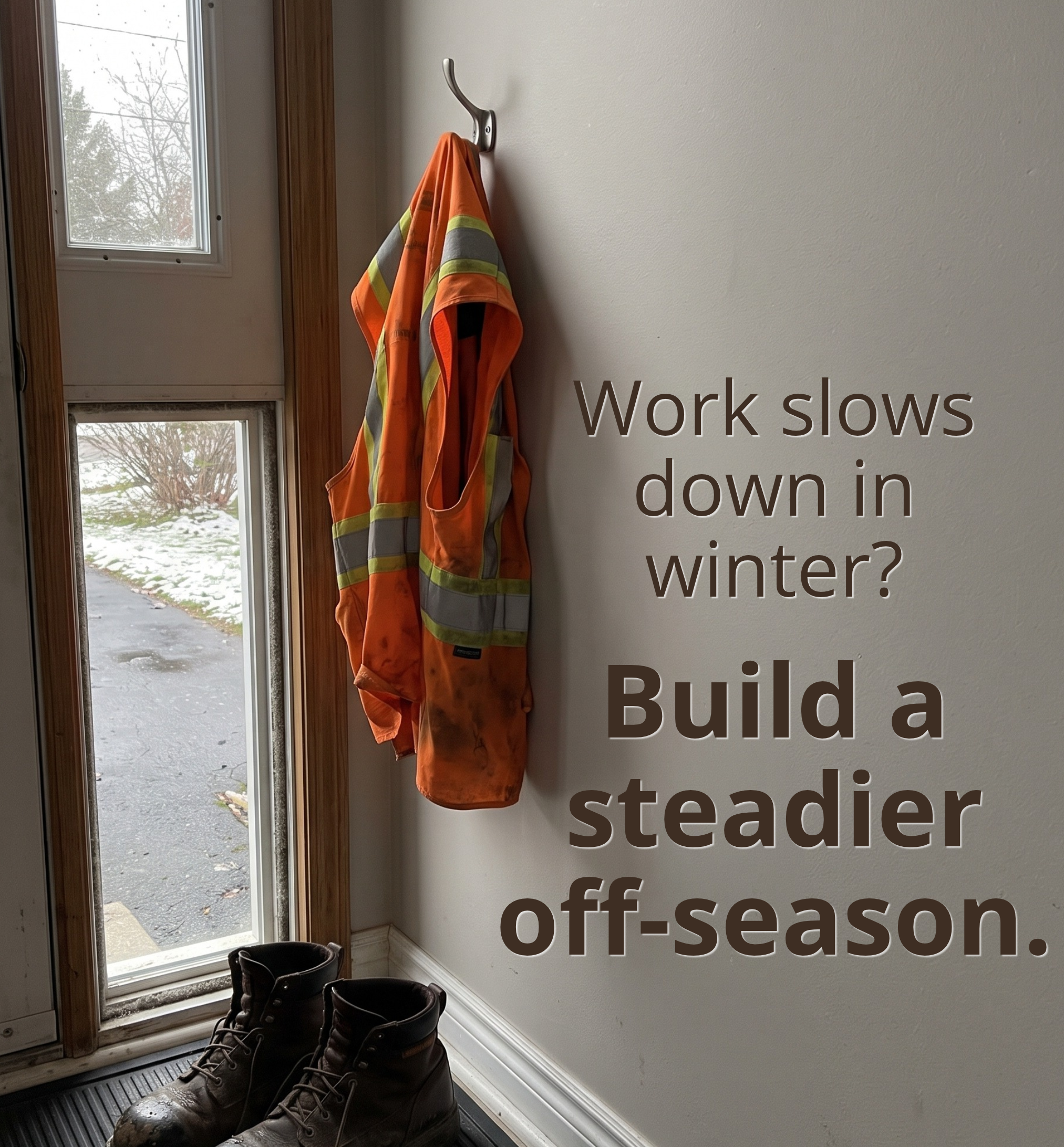
Why the off-season can make an old pattern easier to fall into
Work gives your attention somewhere to go. There are people expecting you, problems you know how to solve, and a point when you can see what you’ve done. The end of a shift can also tell you when it’s time to wind down. In the off-season, you can lose some of those cues while everyone else at home is still on their usual schedule.
Boredom is one way people describe the change. Sometimes it’s closer to feeling wound up with nowhere in particular to put that energy. If using a substance has helped you shift out of that feeling before, you may find yourself thinking about using as soon as it comes on. The afternoon may be quiet and the urge can still feel pressing. Recognizing what you want relief from gives you somewhere to start.
Working with the urge when it shows up
Say you get home from a short job and spend the next couple of hours waiting to hear if there’s more work. By the time your partner asks about supper, you’re already irritated. Your jaw is tight, and you’re thinking about drinking. If you slow that moment down, you may realize you’ve been carrying the uncertainty since you got home. It happened to show up in the conversation about supper.
In recovery, you can learn to notice the tension while it’s still building. You might say you need a few minutes to settle and let your partner know you’ll come back to the conversation. If the urge to use is strong, you can have someone you’ve agreed to call and tell them what’s happening. When you look back on the afternoon with an addiction professional, you can work out where there was room to respond differently and what support would make that possible next time. That’s a skill you can practise, including on days when things are going reasonably well.
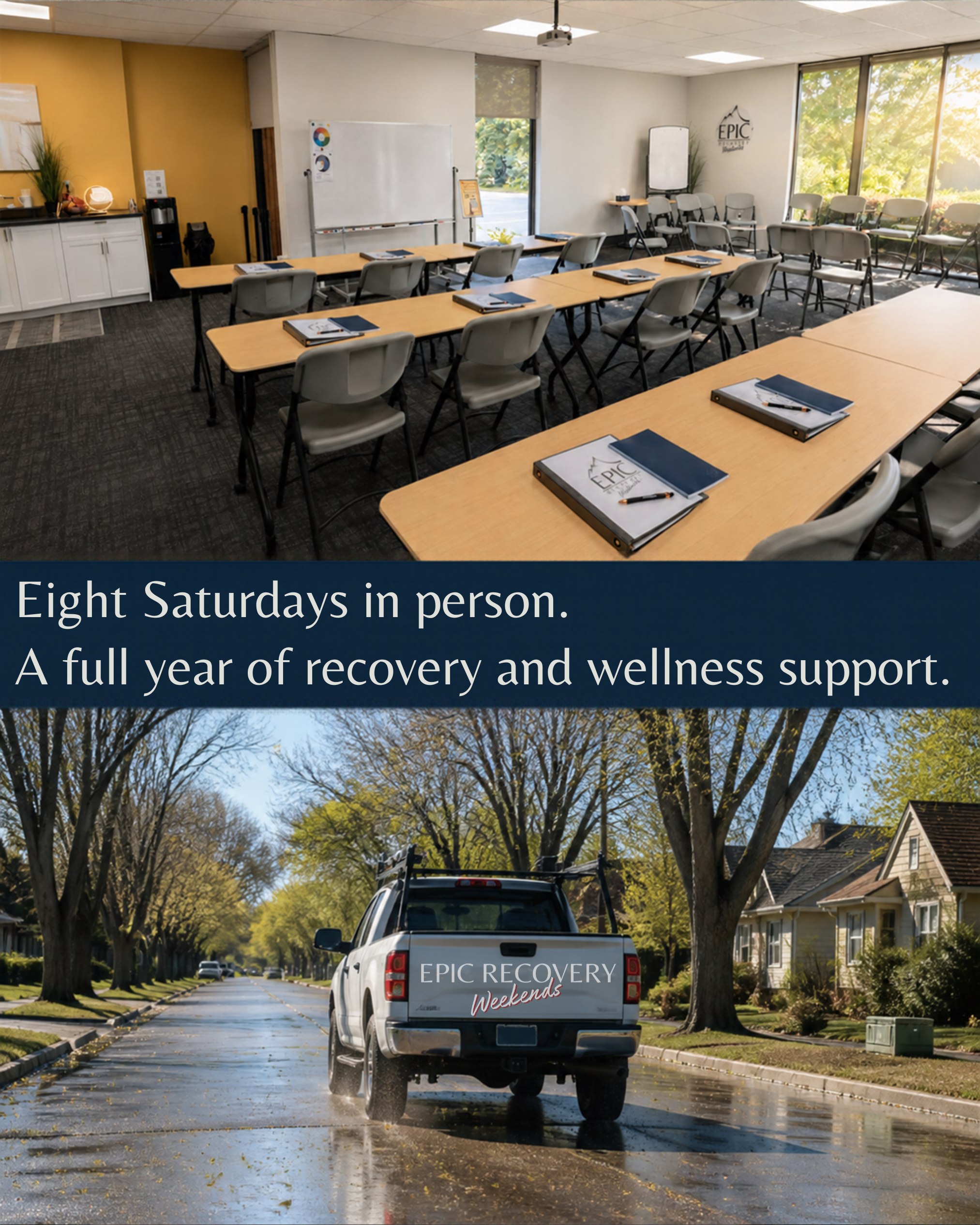
How the EPIC Recovery Weekend Program works
At EPIC, the classroom gives you time to understand patterns like this and work on ways to respond. The EPIC Recovery Weekend Program starts with eight consecutive in-person Saturdays, from 9 a.m. to 3 p.m., in London, Ontario. It’s an outpatient program for medically stable adults working toward a substance-free life.
Between Saturdays, you can practise the skills in the place you’re going to need them. If a response that made sense in class felt out of reach at home, you can bring that experience to a one-on-one session with an addiction professional. You can look at whether the urge came on earlier than you expected, whether you had support available, or whether the approach needs to change. That’s how a skill you understand in a classroom starts becoming something you can use on a difficult afternoon.
The program includes a full year of recovery and wellness support, with recovery groups, wellness activities, and quality-of-life check-ins at three, six, and twelve months. What you want from recovery might be as ordinary as sleeping through the night or being able to get through supper without thinking about when you’ll use. Those are the kinds of changes worth paying attention to as the weeks go by.
If a quieter work schedule makes eight Saturdays possible this fall or winter, the program may give you time to work on patterns you’ve been noticing. EPIC also offers Recovery Allies family support for people close to you who would like support of their own.
A note on alcohol withdrawal
If you drink heavily on a regular basis or have had alcohol withdrawal before, speak with a medical professional before stopping or cutting back on your own. A clinician can assess withdrawal risk and help you plan a safe next step.
References
National Institute on Alcohol Abuse and Alcoholism. How to stop alcohol cravings.
EPIC Recovery Team. When drinking starts affecting your quality of life.
EPIC Recovery. Weekend Program and self-screening.
EPIC Recovery Team. Can you recover from addiction without going to residential treatment?.
EPIC Recovery. Recovery Allies and family support.
Wood, E., et al. (2023). Canadian guideline for the clinical management of high-risk drinking and alcohol use disorder.