
When Cannabis Stops Feeling Optional
Cannabis has become part of everyday life for many adults. For some people, it remains occasional and does not create significant problems. For others, it gradually becomes tied to sleep, stress, anxiety, boredom, physical discomfort, socializing, or simply getting through the day. That does not automatically mean someone has a substance use disorder, but it does mean the role cannabis is playing deserves an honest look when use becomes more frequent, harder to control, or increasingly necessary to feel comfortable.

A 2026 study published in JAMA Psychiatry examined national U.S. data from more than 186,000 adults and found that cannabis use disorder increased between 2021 and 2024 among both men and women. Moderate-to-severe cannabis use disorder also increased during that period. The researchers found that these increases were not limited to younger adults, with meaningful changes also appearing among middle-aged and older adults. (jamanetwork.com) (alert.psychnews.org)
For us at EPIC, the value of this research is not in creating fear around cannabis. It is in recognizing that as cannabis becomes more normalized, conversations about problematic use also need to become more normal. People should be able to question their relationship with cannabis without feeling judged, labelled, or told that their experience does not count because their life has not fallen apart.
The Better Question Is Not Whether Cannabis Is “Bad”
Conversations about cannabis often get stuck in an unhelpful argument about whether it is good or bad. That framing misses the more important issue, which is how cannabis is functioning in a particular person’s life. Someone may use it to relax after work, quiet racing thoughts, make sleep easier, reduce social discomfort, manage pain, or create temporary distance from difficult emotions. Those effects may feel very real, which is part of the reason use can become increasingly important over time.
The concern begins when cannabis moves from something a person chooses to something they increasingly depend on. That change is often gradual. A person may begin noticing that sleep is much harder without it, irritability increases when they try to stop, evenings feel uncomfortable without using, or they are organizing more of their routine around when they can use cannabis. At that point, the issue is no longer simply whether cannabis provides relief. The more useful question is whether the person still feels they have genuine flexibility and choice in the relationship.
Problematic Use Does Not Always Look Dramatic
One of the reasons cannabis use disorder can be missed is that many people still associate substance use problems with visible crisis. In reality, problematic use often develops quietly. Cannabis use disorder can involve using more than intended, difficulty cutting back, cravings, increasing tolerance, withdrawal symptoms, or continuing to use despite consequences in relationships, work, health, finances, motivation, or daily responsibilities.
For some people, these changes are subtle at first. They may notice that cannabis has become necessary for sleep, that motivation has declined, that they are more emotionally unsettled without it, or that they have repeatedly tried to reduce their use without success. Others may begin withdrawing from activities, becoming less present in relationships, or relying on cannabis to manage nearly every uncomfortable emotional state.
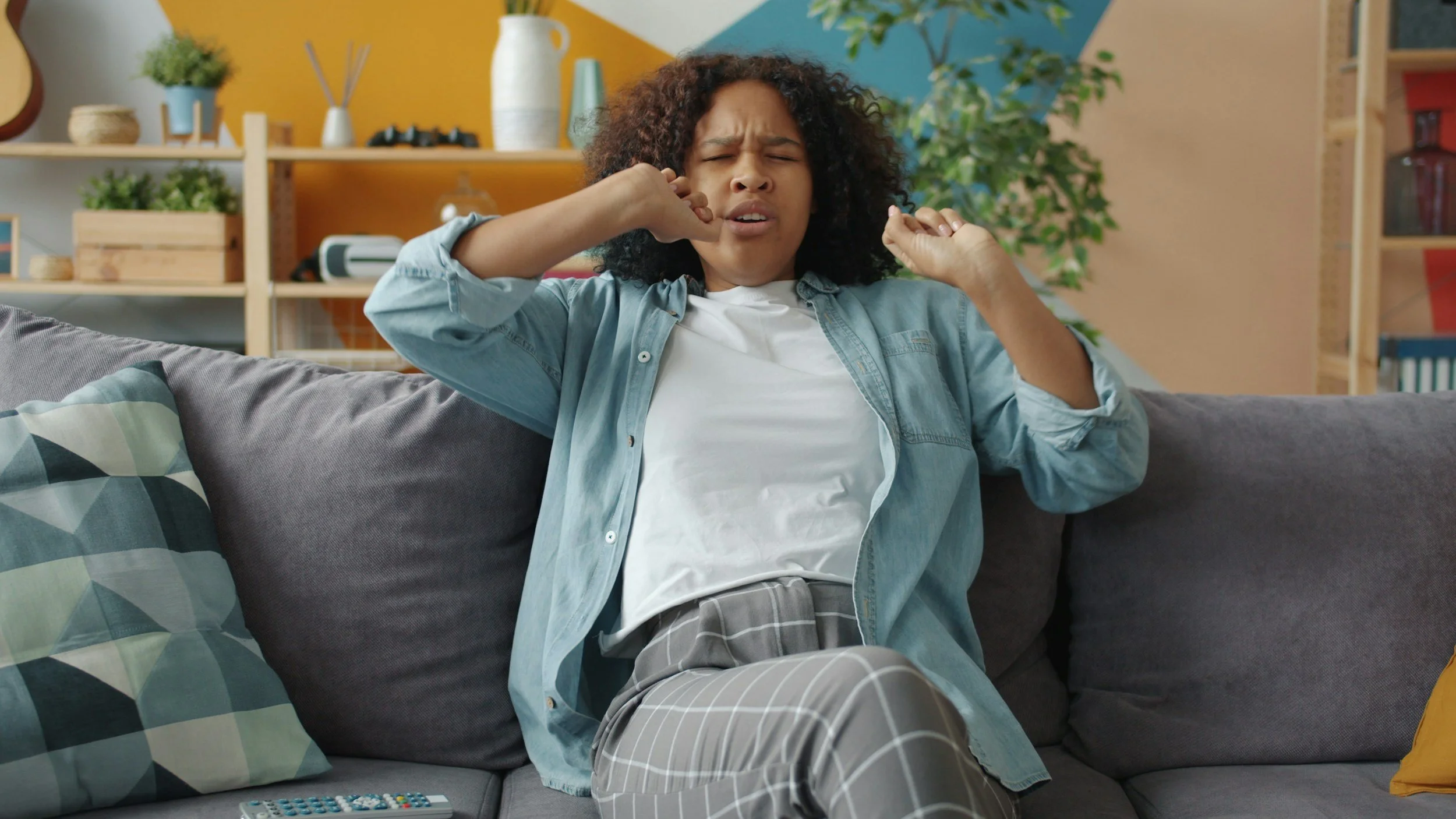
None of these experiences require someone to immediately identify with the word addiction. At EPIC, we believe people should be able to examine a substance honestly before the consequences become severe. Early recognition creates more room for choice, reflection, and change.
Relief and Recovery Are Not the Same Thing
Cannabis may provide short-term relief, and acknowledging that matters. If someone is using cannabis because it helps them sleep, calms their anxiety, makes difficult emotions feel less intense, or provides a sense of escape, simply telling them that cannabis is harmful is unlikely to address what is actually happening.
Relief, however, is not the same as recovery. Recovery involves developing the ability to manage stress, emotions, relationships, responsibilities, discomfort, and uncertainty without becoming dependent on one substance or behaviour to make those experiences tolerable. When cannabis becomes the primary coping tool, reducing or stopping use can reveal the concerns that were underneath it all along.
That may include anxiety, sleep difficulties, loneliness, grief, trauma, boredom, relationship conflict, low mood, or a lack of structure and connection. This is why meaningful recovery work cannot focus only on removing the substance. It also needs to address what the substance has been doing for the person and what needs to be built in its place.
What We Look At at EPIC
When someone comes to EPIC concerned about cannabis use, we are not interested in reducing the person to how often they use or whether they fit neatly into a label. We are interested in understanding the pattern and the function cannabis has taken on in their life.
That means looking at what tends to happen before use, what changes after using, what has become difficult without cannabis, and whether other parts of life have started to shrink around the pattern. We may explore changes in sleep, motivation, mood, anxiety, relationships, routines, responsibilities, or the person’s ability to tolerate stress and discomfort without immediately reaching for cannabis.
Those questions matter because lasting change usually requires more than removing a substance. It involves strengthening emotional regulation, rebuilding routine, improving sleep, increasing connection, developing healthier boundaries, addressing anxiety or trauma, or learning to tolerate difficult emotions without needing to escape them immediately. The goal is not simply to stop a behaviour. It is to help the person create a life that is less dependent on that behaviour in the first place.
Cannabis Deserves the Same Honest Conversation as Alcohol
The JAMA Psychiatry study also found that alcohol use disorder remained stable or declined across several groups while cannabis use disorder increased. (jamanetwork.com) That finding does not mean cannabis is now more dangerous than alcohol, and it does not make a direct comparison between the two especially useful for an individual person.
What it does show is that our understanding of substance use needs to keep pace with changing patterns of use. Alcohol has long been recognized as a substance that can become problematic even though it is legal, socially accepted, and widely available. Cannabis deserves the same level of honesty. Legalization does not make a substance risk-free, and social acceptance does not eliminate the possibility of dependence.
As cannabis becomes more available and culturally normalized, it is increasingly important that people have access to accurate information and support that does not rely on fear or stigma. A person should be able to say that cannabis is beginning to affect their life without feeling that they must first prove that the problem is severe enough to matter.
You Do Not Need to Wait Until Things Get Worse
One of the most important messages in this research is that support does not need to begin at a crisis point. Someone may simply be noticing that cannabis has become more important than they intended, that they are relying on it more heavily, or that attempts to cut back have not lasted. They may be questioning whether their sleep, anxiety, motivation, mood, or relationships are being affected, or wondering whether cannabis is still helping in the way it once did.
Those concerns are enough to warrant a conversation.
EPIC Recovery works with who are experiencing mild to moderate substance use concerns, including people who are questioning their relationship with cannabis. Our work focuses on understanding what is happening beneath the use, strengthening coping and emotional regulation, supporting meaningful change, and helping people build greater stability and connection in their lives.
Recovery does not always begin with a dramatic turning point. Sometimes it begins when someone recognizes that a substance is taking up more space in their life than they want it to and decides to look at that honestly.
Research Referenced
Han, B., Compton, W. M., Hobin, J. A., & Volkow, N. D. (2026). Trends in the prevalence and severity of alcohol and cannabis use disorders among US adults. JAMA Psychiatry. Advance online publication. https://doi.org/10.1001/jamapsychiatry.2026.2497
The study was also summarized by Psychiatric News Alert in August 2026 in “Cannabis Use Disorder on the Rise as Alcohol Use Disorder Falls.”