
Zero-Alcohol Beer and Recovery: Helpful Tool or Risky Territory?
As the weather warms up and patio season returns, a question starts showing up more frequently in recovery conversations:
"What do you think about zero-alcohol beer?"
It's a fair question.
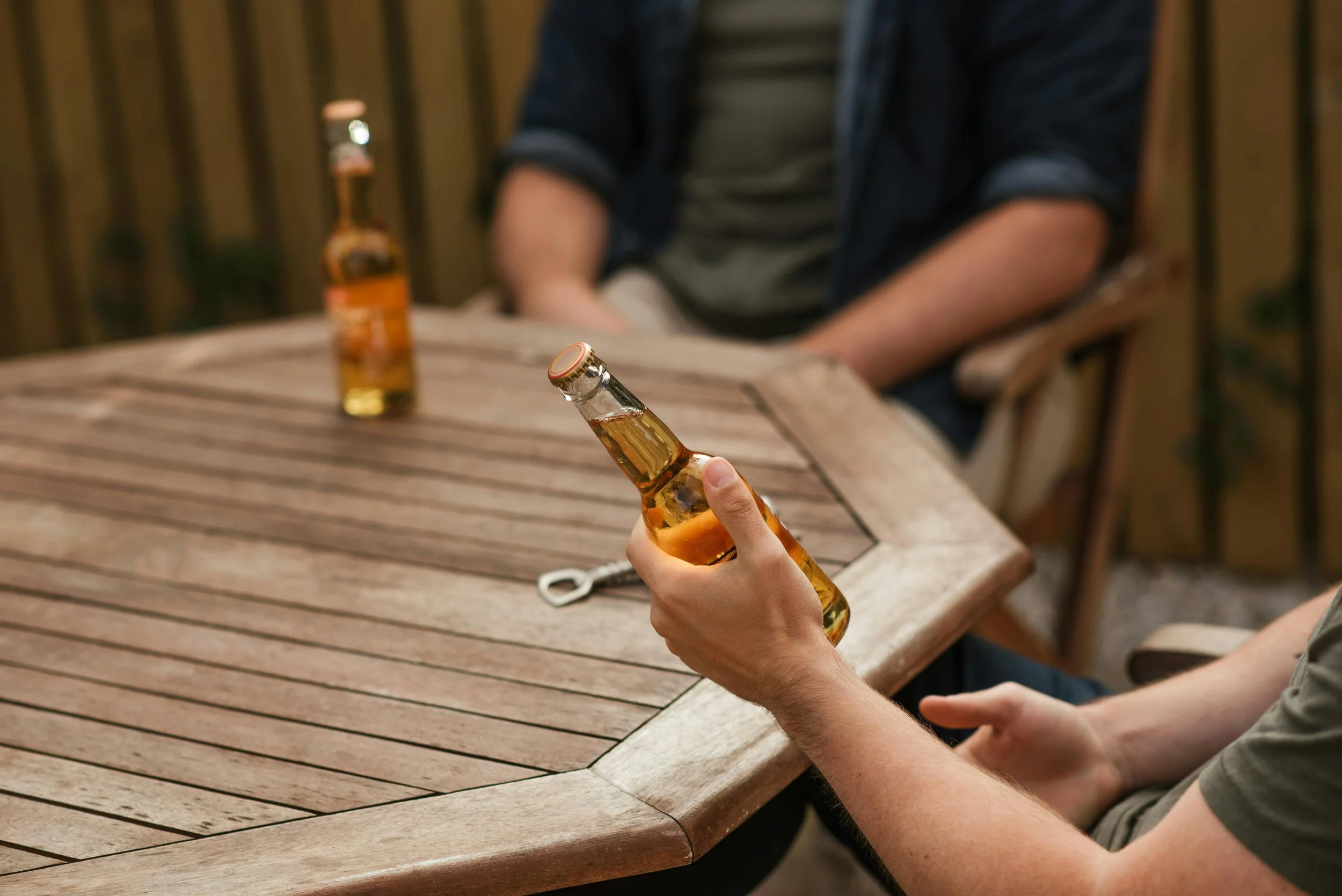
Walk through almost any grocery store today and you'll find shelves filled with alcohol-free beers, wines, spirits, mocktails, and ready-to-drink beverages. Many restaurants and patios now offer extensive alcohol-free menus. What was once a niche market has become a mainstream movement.
For some people, these products feel like a welcome option. For others, they raise concerns.
The truth is that there is no universal answer.
Like many topics in recovery, the discussion around zero alcohol beverages is nuanced and depends on the individual, their history, their goals, and their relationship with alcohol.
What Exactly Is Zero Alcohol Beer?
The terminology can be confusing.
Some products labelled "alcohol-free" or "zero-alcohol" contain no detectable alcohol.
Others may contain trace amounts, often less than 0.5% alcohol by volume.
For comparison, small amounts of naturally occurring alcohol can also be found in some foods and beverages, including certain fruit juices, kombucha products, and ripe fruit.
From a legal and manufacturing perspective, these beverages are considered non-alcoholic. From a recovery perspective, however, the conversation often goes much deeper than the alcohol content itself.
Why Some People Find Them Helpful
For some individuals, zero-alcohol beverages can serve a practical purpose.
Recovery does not happen in a vacuum. People still attend weddings, sporting events, work functions, backyard barbecues, family gatherings, and summer patios.
Holding a non-alcoholic beverage can sometimes reduce social pressure or awkward conversations. It may provide a sense of inclusion in situations where drinking is the norm.
Some people report that having an alcohol-free option helps them feel less isolated during social events.
Others simply enjoy the taste of beer without wanting the effects of alcohol.
For individuals who do not experience significant cravings or emotional activation from these products, they may become just another beverage choice.
Why Some People Avoid Them Entirely
At the same time, many people in recovery choose not to use zero-alcohol products at all.
The concern is rarely about intoxication.
It is often about conditioning.
Addiction is not solely about a substance. It can also involve routines, rituals, environments, memories, emotional associations, and learned behavioural patterns.
The sound of a can opening.
The smell of beer.
The appearance of a familiar bottle.
Sitting on a patio after work.
Watching a game with friends.
For some individuals, these cues can activate cravings, thoughts, memories, or emotional responses that were previously connected to alcohol use.
A beverage may contain no alcohol while still triggering an old behavioural pathway.
This does not happen for everyone, but it happens often enough that it deserves careful consideration.
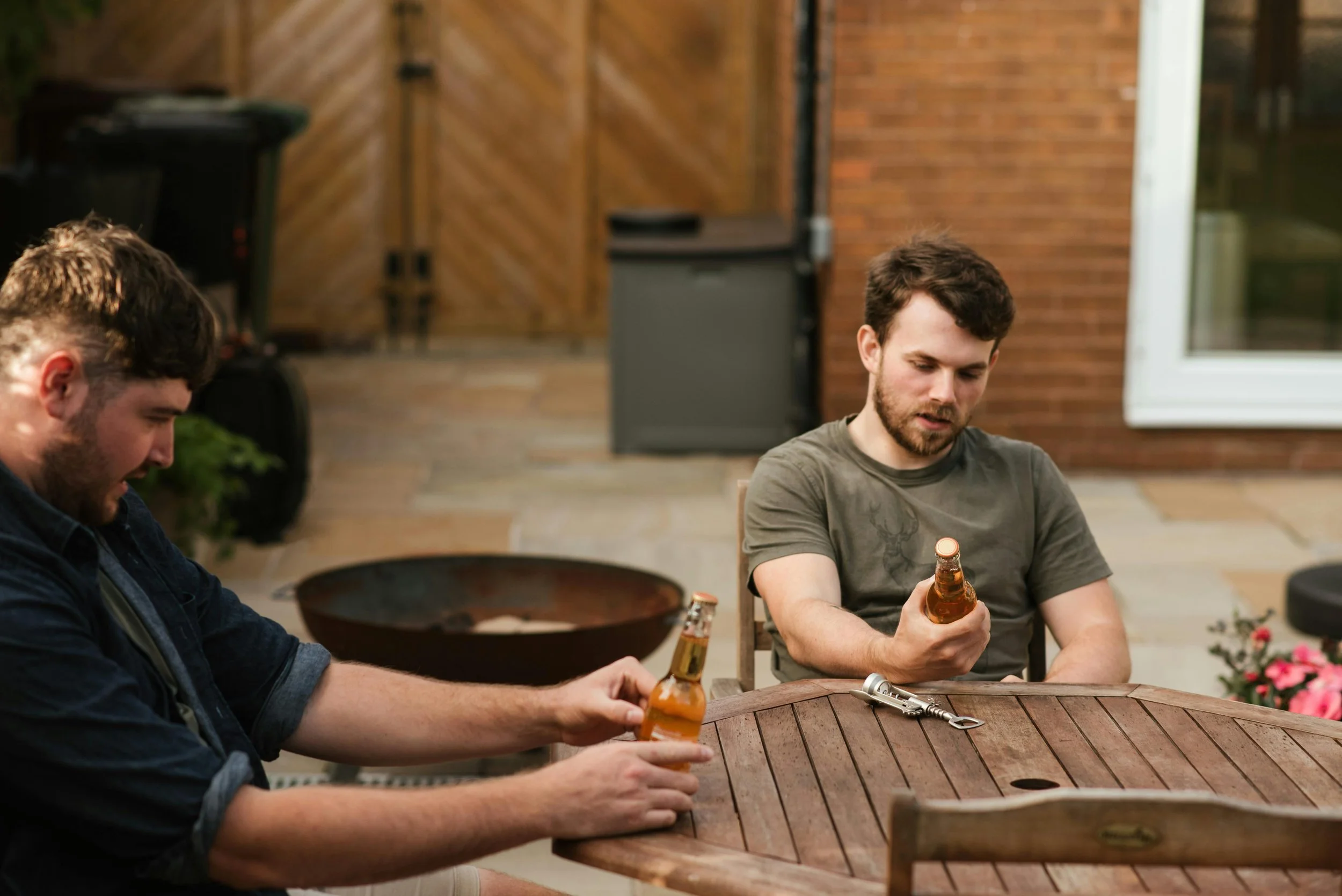
The Patio Test
One question that can sometimes be helpful is:
"If alcohol disappeared from this drink completely, would I still want it?"
For some people, the answer is yes.
They may genuinely enjoy the flavour, the social experience, or the alternative to sugary drinks.
For others, the attraction may feel more complicated.
Sometimes the appeal is less about the beverage and more about recreating an old drinking experience.
That distinction can provide valuable insight.
Recovery Is About More Than Following Rules
One of the challenges in recovery conversations is the tendency to look for absolute answers.
Can I drink zero-alcohol beer?
Should I avoid it?
Is it good?
Is it bad?
Recovery rarely works that way.
A choice that feels supportive and harmless for one person may feel risky for another.
Someone with twenty years of stable recovery may experience a zero- alcohol beverage very differently than someone who recently stopped drinking and is actively working through cravings.
The goal is to understand what supports your own well-being and long-term recovery.
Questions Worth Asking Yourself
If you're considering zero alcohol beverages, it may be worth reflecting on a few questions:
Why am I interested in trying this?
How do I feel when I drink it?
Does it increase cravings or thoughts about alcohol?
Am I using it occasionally, or am I becoming dependent on the ritual?
Does it support my recovery goals, or does it make them more difficult?
Honest answers often provide more guidance than any rule ever could.
The Bottom Line
Zero-alcohol beverages are neither miracle products nor recovery disasters.
For some people, they can be a useful social option. For others, they can create unnecessary risk or trigger old patterns.
Recovery is measured by the quality of your life, the choices you make, the relationships you build, and the direction you continue moving.
If a zero-alcohol beverage supports that journey, it may have a place.
If it complicates that journey, it may not.
The most important question is not whether everyone else approves.
It’s whether it helps you become the person you are trying to be.
Looking for Support?
Whether you're exploring sobriety, questioning your relationship with alcohol, or maintaining long-term recovery, support is available.
EPIC Recovery offers addiction counselling, recovery programming, wellness activities, family support, and community-based recovery resources in London, Ontario.